
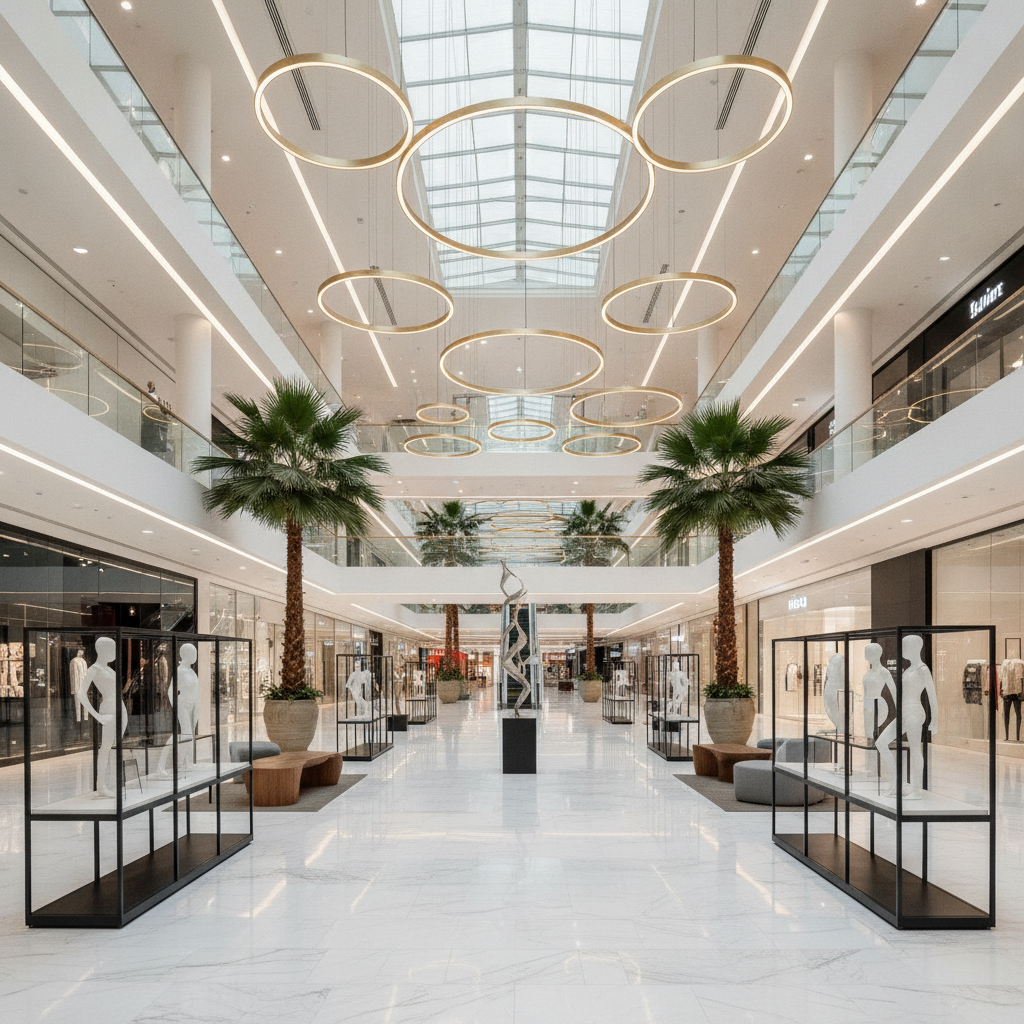
Walk through any busy retail center after dark and you will notice something quickly: the places that feel alive are rarely the ones with the most stores. They are the ones with the best atmosphere. Warm pools of light along walkways, greenery that frames entrances, a courtyard that invites people to linger. That feeling does not happen by accident. It comes from deliberate design choices about color, brightness, texture, and placement, and a dedicated shopping center decor and lighting service is often the difference between a property people pass through and one they want to visit.
This guide is written for small business owners who lease space in retail centers, for developers and property managers responsible for the whole site, and for anyone curious about how these environments are shaped. We will walk through the planning process from the first walkthrough to the last bulb, explain how lighting layers work together, and show where decor earns its keep beyond the holidays. We will also cover budgeting, maintenance, safety, and how to measure whether your investment is paying off.
Rather than repeating the usual holiday checklists, we focus on the design thinking behind lasting results. Whether you manage a small strip plaza or a sprawling open-air center, the principles here will help you ask better questions, hire smarter, and create a property that feels welcoming in every season.
Why Atmosphere Is a Business Asset
Shoppers decide how they feel about a property within seconds of arriving. Before they read a single sign, they have registered whether the lot feels safe, whether the entrances look cared for, and whether the whole place seems current or tired. Those impressions shape how long people stay, how often they return, and how willing they are to wander beyond their original destination.
For tenants, this matters because foot traffic is shared. A beautifully lit plaza lifts every storefront, while a dim or cluttered one quietly drags them all down. For developers, atmosphere supports leasing conversations, since prospective tenants walk the property and judge whether their brand belongs there. Working with an experienced provider such as True North Holiday means the design is handled as a coordinated system instead of a patchwork of one-off purchases, which is how most properties end up with mismatched fixtures and inconsistent color temperatures.
Start With a Site Walk and a Daytime and Nighttime Audit
Good design begins with observation. The most useful first step is to visit the property twice, once in full daylight and once after sunset, ideally with the person who will be doing the work. Daytime reveals architecture, sight lines, sun exposure, and where decor will actually be seen from the parking lot. Nighttime reveals dark corners, glare from existing fixtures, and the spots where light pools unevenly.
During the audit, note the following:
- Main entrances and the path shoppers take from parked car to front door
- Existing fixtures, their condition, and their color temperature
- Power access points, timers, and available circuits
- Focal areas such as fountains, courtyards, trees, and signage
- Hazards like uneven pavement or low branches that affect installation
Photograph everything at night. Those images become a baseline you can compare against after the project, and they help everyone discuss problems using the same visual evidence.
Understanding the Layers of Commercial Lighting
Professional designers rarely rely on a single type of light. Instead they build layers, each serving a different purpose. Ambient lighting provides the general glow that makes a space feel safe and navigable. Accent lighting draws attention to features such as architectural columns, planters, and signage. Task lighting supports specific activities like reading a directory or using an outdoor payment kiosk. Decorative lighting, including string lights, wrapped trunks, and sculptural elements, adds personality and seasonal character.
When these layers are balanced, the property feels cohesive and inviting. When one dominates, the result is often harsh or chaotic. A flood of bright white lamps without accents feels like a parking structure, while decorative lights with no ambient base feel like scattered sparkle in a dark void. To see how a connected approach plays out in a work setting, read How AZ Corporate Lighting Creates Memorable Workspaces and Customer Experiences, which shows how layered thinking applies beyond retail.
Color Temperature, Brightness, and the Mood They Create
Two lights can be equally bright and feel completely different, because color temperature shapes emotion. Warmer tones in the amber range feel cozy and hospitable, which suits dining patios, boutique corridors, and gathering areas. Cooler white tones read as clean and energetic, which can work well for parking areas and service zones where visibility matters most. Mixing temperatures randomly is one of the most common mistakes in older properties, where bulbs were replaced one at a time over many years.
Brightness deserves equal care. More light is not automatically better. Overlit areas create glare, wash out the textures of decor, and waste energy, while underlit areas feel unsafe and uninviting. A skilled designer measures the space, considers the surrounding surfaces, and chooses output levels that guide the eye naturally. The goal is a gentle gradient, brighter at entrances and crossings, softer in lounging zones, so shoppers move comfortably without ever noticing the engineering behind it.
Decor That Works All Year, Not Just in December
The smartest decor investments are the ones that earn attention across the calendar. Think of your property as a stage with a permanent set and rotating props. The permanent set includes lighting, planters, seating, and structural accents. The props change with the seasons: spring florals, summer shade accents, autumn color, and winter celebration pieces.
Planning in this way reduces waste, because the base elements stay and only the accents rotate. It also gives tenants predictable promotional hooks throughout the year. When the holidays approach, a specialist team handling seasonal mall lighting installation can build on that permanent foundation instead of starting from scratch, which shortens installation time and keeps the property looking intentional rather than cluttered. For fresh inspiration on the festive end of the calendar, Holiday Decorating Ideas That Make Retail Centers Shine offers a helpful companion read.
Designing for Desert Conditions in Mesa
Climate should influence every material choice. In a hot, sunny region like Mesa, strong ultraviolet exposure fades cheap plastics, brittle wiring cracks under prolonged heat, and dust settles into fixtures and dulls their output. Decor that looks wonderful in a catalog can fall apart within a single season if it was never built for these conditions.
Look for UV-resistant finishes, sealed connectors, and fixtures rated for outdoor commercial use. Choose plants and greenery accents that tolerate heat, or use high-quality artificial pieces designed to resist fading. Plan for monsoon-season winds by securing anything tall or lightweight, and schedule cleaning visits so dust does not quietly erode brightness. A local installer who understands the area will already know which products survive the summer and which ones become next year’s disposal problem. This practical knowledge is a major reason to favor providers with regional experience over generic national catalogs.
Comparing Common Decor and Lighting Elements
Different elements suit different goals, budgets, and maintenance appetites. The table below summarizes how several popular options compare in general terms, so you can match each one to the job it does best.
| Element | Best Use | Typical Upkeep | Visual Impact |
|---|---|---|---|
| Canopy string lights | Courtyards and dining patios | Periodic bulb checks | High, inviting |
| Wrapped tree and column lighting | Walkways and entrances | Seasonal adjustment | High, rhythmic |
| Architectural accent fixtures | Facades and signage | Low, occasional cleaning | Medium, refined |
| Large sculptural decor | Focal points and photo spots | Anchoring and storage | Very high, memorable |
| Pathway and bollard lighting | Safety and wayfinding | Low, routine checks | Medium, functional |
Safety, Accessibility, and Code Considerations
Beauty never outranks safety. Every installation should be planned so that cords never cross walking paths, fixtures sit well clear of traffic, and anything hung overhead is secured against wind and weight. Accessible routes must remain unobstructed and well lit, including ramps, curb cuts, and accessible parking. Decor should never block fire lanes, hydrants, exit signs, or emergency equipment.
Electrical work deserves special attention. Overloaded circuits and improvised extension cords are leading causes of seasonal incidents in commercial settings. Ask any provider how they calculate load, whether their products carry recognized safety listings, and how they handle weatherproofing at connection points. Local building and fire rules differ by jurisdiction, so confirm requirements with the proper authorities before work begins rather than assuming a design is allowed. A reputable installer will carry appropriate insurance and be comfortable documenting their process, which protects both the property owner and the tenants.
Budgeting Without Sacrificing Quality
Costs for commercial decor and lighting vary widely depending on property size, fixture quality, installation complexity, and the level of service you choose. Instead of fixating on a single quote, compare total value over several years. A cheaper strand that fails halfway through the season costs more than a durable one that lasts for years, especially once labor for replacement is counted.
Smart budgeting strategies include:
- Investing most heavily in permanent, high-visibility areas first
- Choosing efficient LED products to lower ongoing electricity use
- Phasing larger projects across two or three seasons
- Bundling design, installation, maintenance, and removal into one agreement
- Asking about storage so reusable pieces survive the off season
Shared costs also matter. Many centers divide expenses among tenants through common area charges, so transparent proposals and clear before-and-after documentation help everyone understand the return.
Maintenance, Monitoring, and Removal
A lighting display is only as good as its worst dark patch. Burned-out sections, drooping strands, and tilted fixtures signal neglect even when the original design was excellent. Build a maintenance plan into the project from day one, including scheduled inspections, quick-response repairs, and a clear point of contact when something fails.
Smart timers and photocells help lights turn on and off at the right moments, saving energy and preventing the embarrassing situation of daytime illumination. Remote monitoring options can alert managers to outages before shoppers notice. At the end of a season, proper removal and labeling matter just as much as installation. Pieces that are coiled carefully, tested, and stored in labeled containers will last far longer than those thrown into a bin. Ask your provider to document storage locations and conditions so next year’s setup goes quickly and smoothly.
Choosing the Right Partner and Measuring Results
The best provider is not simply the lowest bidder. Look for a team that listens before pitching, shows a portfolio of comparable properties, explains materials plainly, and provides references you can call. Ask who handles design, who performs installation, and who responds to problems after hours. If you want to learn more about what a full-service approach looks like in practice, reviewing a provider’s process and past work is the fastest way to judge fit.
Once the project is complete, measure its impact. Track foot traffic counts, tenant feedback, dwell time in key areas, social media mentions, and any change in leasing inquiries. Compare nighttime photos against your original audit images. Even simple notes from tenants about busier evenings can guide next year’s priorities. Treat the first season as a learning cycle, adjusting placement, brightness, and decor themes based on what actually drew people in.
Bringing It All Together
A welcoming retail center is built from many small decisions that add up to a single feeling. Layered lighting gives structure and safety. Thoughtful color temperature sets the mood. Durable, climate-appropriate decor survives the seasons and keeps the property looking cared for. Careful budgeting, steady maintenance, and honest measurement turn a one-time purchase into a long-term asset.
If you are a tenant, share your observations with your property manager, since shoppers’ experiences often start in common areas you do not control. If you are a developer or manager, begin with an honest day and night audit, define the feeling you want visitors to have, and build a phased plan that grows with your budget. For properties across Mesa and the surrounding region, working with a provider who understands local conditions removes a great deal of guesswork and costly trial and error.
Remember that atmosphere is not decoration for its own sake. It is the quiet backdrop that makes people feel safe, welcome, and willing to stay a little longer. Invest in it thoughtfully, protect it with good maintenance, and revisit it every year. The properties that treat lighting and decor as living systems rather than occasional projects are the ones that keep customers returning long after the novelty of a new storefront has faded.
0 Comments