
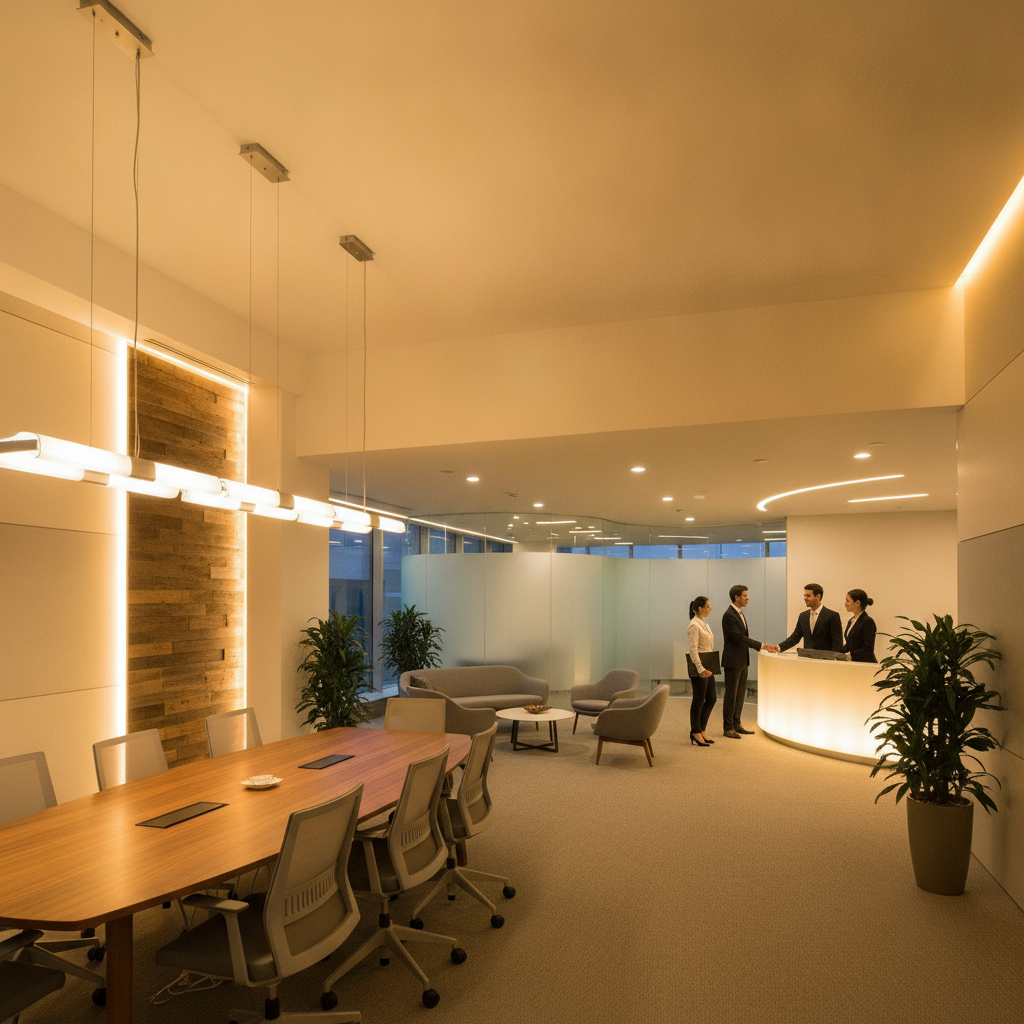
Walk into any workplace and you form an opinion within seconds. Before anyone says a word, the lighting has already told you whether the company feels polished, welcoming, tired, or chaotic. That is why smart owners now treat illumination and decor as part of their brand, not an afterthought. A thoughtful AZ corporate lighting and decorating service can change how employees feel at their desks and how customers feel at the front counter, all without a full renovation.
This article takes a practical angle that goes beyond holiday cheer or curb appeal. We will look at how light affects human behavior, how to match a design to the way your space is actually used, and how to avoid the expensive mistakes that make good intentions look cluttered or harsh. Whether you run a ten-person office, a growing medical clinic, a restaurant, or a creative studio, the principles are surprisingly similar.
We will also cover planning, budgeting, installation, maintenance, and how to measure results so you know the investment is working. The goal is simple: help you picture your own space differently and give you a clear path to making it memorable for the right reasons. If you have ever felt that your business looks fine but does not feel quite right, the answer often starts with what is hanging from the ceiling and glowing along the walls.
Why First Impressions Are Built on Light
People read a room through brightness, color temperature, and contrast long before they notice furniture or signage. Cool, flat lighting can make even a beautiful interior feel clinical, while warm, layered lighting signals comfort and care. That emotional shorthand shapes whether a visitor relaxes, trusts you, or quietly decides to leave.
Employees respond the same way. A dim corner or a flickering fixture is a daily irritation, and daily irritations add up to lower morale. Good commercial lighting design for offices balances task brightness where people work with softer ambient light where they gather, so the whole building feels intentional rather than accidental.
Think about the last place you walked into that felt instantly inviting. Chances are the light was warm, the edges of the room glowed gently, and nothing felt glaring. That result is rarely luck. It is the product of planning where light falls, how strong it is, and what it highlights, which is exactly where professional design earns its keep.
Understanding the Layers of a Lighting Plan
Professionals rarely rely on a single type of fixture. Instead they stack three layers: ambient light that fills the space, task light that supports specific jobs, and accent light that adds depth and focus. When these layers work together, a room feels balanced and a little dramatic in the best way.
Ambient lighting is the foundation, usually from ceiling fixtures, cove lighting, or indirect sources. Task lighting sits where reading, typing, or detailed work happens. Accent lighting then pulls attention toward artwork, product displays, architectural details, or a reception wall that carries your logo.
Color temperature matters just as much as placement. Warmer tones suit lobbies, lounges, and dining areas, while neutral to cooler tones help in focus-heavy workspaces. Dimming controls add flexibility so the same room can feel energetic at noon and relaxed in the evening. If you want a deeper look at how this plays out in larger commercial environments, learn more here about how layered design scales across bigger properties.
Matching the Design to How Your Space Is Used
A lighting scheme that works for a law office will fall flat in a boutique fitness studio. Start by listing what actually happens in each zone: where visitors wait, where meetings run long, where products are shown, and where people eat lunch. Each activity has different needs for brightness, glare control, and mood.
Reception areas benefit from a welcoming glow and a clear focal point. Open workspaces need even coverage with minimal shadows on screens. Conference rooms should be dimmable so presentations remain readable without leaving everyone sitting in the dark. Break rooms are a chance to be a bit playful with decor and color.
Working with an AZ corporate lighting and decorating service Mesa AZ businesses can rely on helps because local providers understand how strong desert sunlight changes the way interior light reads throughout the day. A lobby that looks perfect at midnight may feel washed out at noon, so a good plan accounts for natural light shifts and layers artificial light to complement them rather than compete.
Decor That Reinforces Your Brand Story
Lighting sets the stage, but decor tells the story. Color palettes, textures, greenery, wall features, and seasonal accents should all echo the personality you want customers to associate with your business. A tech startup might lean into clean lines and bold color washes, while a family-owned restaurant might favor warm wood tones and softly glowing pendants.
Consistency is the secret. When signage, furniture, wall color, and lighting all speak the same language, the space feels confident. When they clash, visitors may not know why, but they sense something is off. A cohesive plan saves you from the patchwork look that comes from buying pieces one at a time.
Seasonal decorating is another way to keep a space feeling alive. Rotating displays and lighting accents give regular visitors something fresh without a major rebuild. If you are curious how this approach works for large commercial venues, the article How Strategic Lighting and Decor Can Elevate a Shopping Center shows how thoughtful design choices shape the visitor experience on a bigger scale.
Holiday and Seasonal Transformations Without the Clutter
The most memorable seasonal displays feel curated, not crowded. Instead of covering every surface with ornaments, choose two or three strong moves: a statement installation in the entry, a consistent light treatment along the exterior, and a few well-placed accents in high-traffic areas. Restraint reads as premium.
Planning early prevents rushed choices. Professionals typically handle design, sourcing, installation, and takedown, so your team stays focused on running the business. Because they work with commercial-grade materials, the finished result also holds up better to wind, heat, and daily foot traffic.
For home-focused projects, the approach is similar, just scaled differently. You can read about how this craft translates to residences in Arizona Professional Christmas Decorators: Transforming Homes Into Holiday Showpieces, which shows how the same design thinking creates showpieces on a personal level and not just a commercial one.
The Human Side: Lighting and Employee Wellbeing
Light influences energy, focus, and mood in ways most people never consciously notice. Harsh overhead glare can cause eye strain and headaches, while a space that leans too dim can make people feel sluggish. The sweet spot is comfortable brightness with smooth, even distribution and as little glare as possible.
Natural light is valuable, so a good plan works with windows rather than fighting them. Positioning desks to take advantage of daylight, using sheer coverings to soften direct sun, and adding supplemental fixtures where shadows fall can make the whole office feel more alive.
Decor contributes as well. Plants, art, and texture reduce the sterile feel of a purely functional room. Even a modest investment in a welcoming break area can change how people feel about coming to work. Employees who like their environment tend to take more pride in it, and that pride shows up in how they treat customers and how long they choose to stay with your company.
Comparing Common Lighting Approaches
Different goals call for different tools. The table below offers a quick comparison of popular strategies so you can see where each tends to shine and where it may fall short for a business space.
| Approach | Best For | Main Consideration |
|---|---|---|
| Layered ambient, task, accent | Offices, lobbies, clinics | Needs upfront planning |
| Warm accent highlighting | Restaurants, retail, galleries | Can look dramatic if overdone |
| Dimmable zone controls | Conference and event spaces | Requires compatible fixtures |
| Exterior architectural lighting | Storefronts, signage, entries | Must withstand heat and weather |
| Seasonal decorative displays | Holiday and event periods | Installation and removal timing |
Budgeting Wisely Without Cutting the Wrong Corners
Costs vary widely depending on square footage, fixture quality, and how custom the design is, so be wary of anyone who quotes a number without seeing your space. A fair estimate should itemize design, materials, labor, and any ongoing service. Ask what is included and what could change the price later.
Spend where the impact is highest. Entrances, reception areas, and customer-facing zones usually deliver the strongest return on lighting dollars. Back-of-house areas can often be handled more simply. Phasing the project over time is another smart move, letting you refresh the most visible areas first and expand later.
Efficiency also pays you back. Modern LED fixtures use far less power than older bulbs and tend to last much longer, which reduces both utility bills and replacement hassles. Cheap fixtures that fail early or color-shift over time often cost more in the long run, so durability and warranty terms are worth weighing alongside the sticker price.
Common Mistakes That Undermine a Good Design
The most frequent error is treating all light as equal and simply adding more fixtures. Brightness without direction creates glare and flat surfaces. Another trap is mixing color temperatures within the same room, which makes walls and skin tones look uneven and subtly uncomfortable.
Overdecorating is just as common. When every shelf, wall, and corner has an ornament, nothing stands out and the space feels busy. Negative space gives the eye a place to rest and makes your best features more noticeable.
Ignoring maintenance is a quieter mistake. Burned-out bulbs, dusty fixtures, and sagging decor send a message of neglect, no matter how nice the original design was. Build a simple upkeep schedule into your plan so the space continues to look sharp. Finally, skipping professional input on electrical load and mounting can create safety and reliability problems that are much harder to fix after the fact.
What the Installation Process Looks Like
A good project typically begins with a walkthrough where the designer observes your space, asks about goals, and notes constraints like ceiling height, existing wiring, and traffic patterns. From there you receive a concept, often with sketches or renderings, so you can react before anything is purchased.
Once the plan is approved, materials are sourced and a schedule is set. Many businesses prefer work done after hours or on weekends to avoid disrupting customers and staff. Clear communication about timing, access, and cleanup helps the process feel smooth rather than stressful.
After installation, a final walkthrough lets you confirm everything works as intended and adjust any dimming levels or aiming. Ask for documentation on fixtures and controls so your team knows what is installed. Residents and business owners in Mesa often find that building this relationship with one provider makes future updates quicker, because the team already knows your space and your preferences.
Measuring Whether the Investment Is Working
You do not need complicated analytics to judge success. Start with simple observations: Are customers lingering longer? Are compliments about the space showing up in reviews? Do employees mention feeling more comfortable? These soft signals often appear before any change in revenue.
You can also track practical measures such as utility costs after switching to efficient fixtures, fewer maintenance calls, and photos shared on social media. A well-lit, well-decorated space tends to get photographed, which quietly extends your reach without any advertising spend.
Gather feedback directly. A quick question to your team or a short customer comment card can reveal which zones feel great and which still need attention. Treat the design as a living system rather than a one-time project, tuning it as your business grows, your seasons change, and your brand evolves.
Where to Go From Here
Memorable workspaces and customer experiences rarely happen by accident. They come from understanding how light shapes feeling, how decor expresses identity, and how each decision supports the way people actually use a space. The strongest results come from a clear plan, quality materials, and a willingness to edit rather than add endlessly.
Start small if you need to. Walk through your own entrance as if you were a first-time visitor. Notice where the light feels harsh, where it falls flat, and where your brand story is missing. Those observations become the foundation of a smart conversation with a professional designer, and they make the process far more productive.
Remember the practical points we covered: layer your lighting, match the design to real activities, keep decor consistent with your brand, budget where impact is highest, avoid common pitfalls, and measure results with simple, honest feedback. Do that, and your space will quietly do some of the work for you, welcoming customers, energizing your team, and reinforcing the quality of what you offer every single day.
If you are ready to rethink the look and feel of your business, the next step is a conversation with a team that understands both design and local conditions. A thoughtful partnership turns a good space into one people remember long after they leave, and that lasting impression is one of the most valuable assets any business can build.
0 Comments